
# Love Marriage vs Arranged Marriage: Which Works Better in Bangladesh? Better 2026
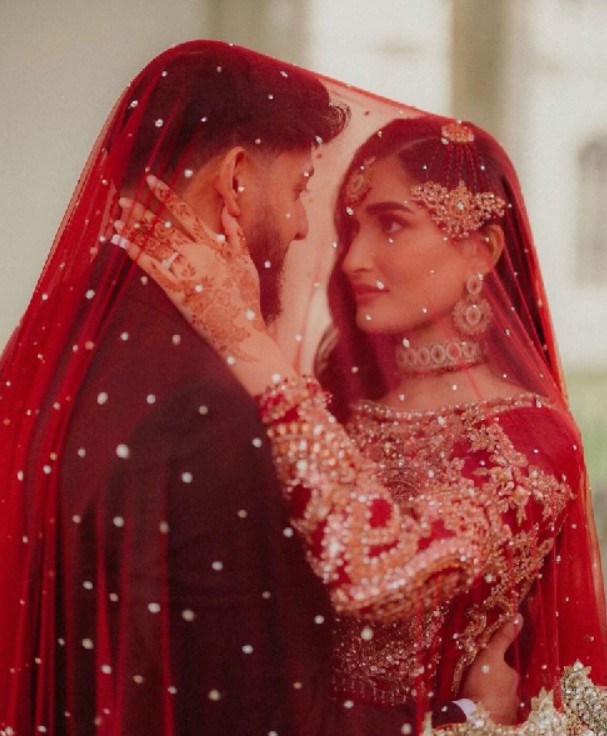
Marriage is one of the most important decisions in a person’s life. In Bangladesh, marriage is not just a union between two individuals—it is also a connection between two families, cultures, and social values. Traditionally, most marriages in Bangladesh have been arranged by families, but with modernization, education, and social media, love marriages are becoming more common.
This growing shift has sparked an important debate: **Which works better in Bangladesh—love marriage or arranged marriage?**
Both systems have their advantages and challenges. Some couples believe love marriage leads to stronger emotional connections, while others believe arranged marriage provides stability and family support. In reality, the success of marriage depends on many factors including compatibility, communication, respect, and shared values.
In this article, we will explore the differences between love marriage and arranged marriage in Bangladesh, analyze their benefits and challenges, and understand which system works better in the Bangladeshi social context.
# Marriage Culture in Bangladesh
Bangladesh is a culturally traditional society where marriage plays a central role in social life. Family values, religion, and community expectations strongly influence how people choose their life partners.
Historically, arranged marriage has been the dominant system in Bangladesh. Families usually select potential partners based on factors such as:
* Family background
* Religion
* Social status
* Education
* Financial stability
Research suggests that **a large majority of marriages in Bangladesh are arranged**, with one study finding that about **83% of married women had arranged marriages**. ([The Daily Star][1])
However, social changes are gradually transforming marriage patterns. Younger generations—especially in cities—are more open to choosing their own partners. Love marriages and “love-arranged marriages” (where couples choose each other but families later approve) are increasing.
Despite these changes, Bangladesh remains a conservative society where family approval still plays a significant role in marriage decisions. ([Wikipedia][2])
# What is Love Marriage?
Love marriage is when two individuals choose each other as life partners based on mutual feelings, attraction, and emotional connection. In this system, the decision to marry is primarily made by the couple themselves rather than their families.
Love marriages usually develop through:
* Personal interactions
In many cases, couples fall in love first and later convince their families to accept the relationship.
In Bangladesh, love marriage is becoming more common among:
* Urban youth
* Educated professionals
* People exposed to global culture
* Individuals who prioritize personal choice
However, love marriages may face social resistance, especially in conservative families.
# What is Arranged Marriage?
Arranged marriage is a traditional system where families play the main role in selecting a suitable partner for their children.
In this system, parents or relatives search for potential matches based on:
* Family compatibility
* Religion
* Education
* Financial stability
* Social reputation
After families introduce the two individuals, they meet and decide whether they want to proceed with the marriage.
In modern Bangladesh, arranged marriages have evolved significantly. Instead of forcing couples into marriage, many families now encourage communication between potential partners before the final decision. ([Gulshan Media][3])
Today’s arranged marriage often combines **family guidance with personal choice**, making it a balanced approach.
# Advantages of Love Marriage
# 1. Emotional Connection
One of the biggest advantages of love marriage is emotional intimacy. Couples usually know each other well before marriage and develop strong feelings.
This emotional bond can help couples:
* Understand each other better
* Communicate openly
* Build deeper trust
Because the relationship begins with love, many couples feel more comfortable expressing their thoughts and emotions.
# 2. Freedom of Choice
Love marriage allows individuals to choose their life partner based on their own preferences.
This means people can select partners based on:
* Personality compatibility
* Shared interests
* Emotional connection
* Lifestyle preferences
This freedom can lead to greater personal satisfaction in marriage.
3. Better Understanding Before Marriage#
In love marriages, couples usually spend time together before marriage. This helps them understand each other’s:
* Habits
* Values
* Temperament
* Life goals
Such understanding can reduce surprises after marriage.
# 4. Modern Mindset
Love marriages are often associated with modern thinking and individual independence.
Many young people believe that choosing their own partner reflects:
* Personal maturity
* Emotional awareness
* Responsibility for life decisions
# Challenges of Love Marriage in Bangladesh
Although love marriage has benefits, it also faces several challenges in Bangladesh.
# 1. Family Opposition
One of the biggest challenges is lack of family approval.
Parents may oppose love marriages because they worry about:
* Family reputation
* Religious compatibility
* Social status
* Cultural differences
This can create emotional pressure for couples. ([Settle Marriage][4])
# 2. Social Pressure
Bangladeshi society often values tradition. Couples who choose love marriage may face criticism from relatives or neighbors.
This social pressure can cause stress and conflict.
# 3. Financial Challenges
Many love marriages occur between young couples who are still building their careers.
Financial instability can create stress in the early years of marriage.
# 4. Unrealistic Expectations
Sometimes couples in love marriages have high expectations from each other.
When reality does not match those expectations, conflicts may arise.
# Advantages of Arranged Marriage
Arranged marriage remains popular in Bangladesh for many reasons.
# 1. Strong Family Support
One major benefit of arranged marriage is family involvement.
Families provide:
* Emotional support
* Financial assistance
* Guidance in difficult times
This support system can strengthen the marriage.
# 2. Better Compatibility
Parents often consider many factors when choosing a partner.
These include:
* Education
* Religion
* Cultural background
* Family values
Such factors can help create long-term compatibility.
# 3. Social Acceptance
Arranged marriages are widely accepted in Bangladeshi society.
Couples usually receive strong support from relatives and community members.
This acceptance reduces social pressure.
# 4. Stability
Arranged marriages often focus on long-term stability rather than short-term emotions.
Many couples develop love gradually after marriage.
Respect and understanding grow over time.
# Challenges of Arranged Marriage
Although arranged marriages have advantages, they also have some drawbacks.
# 1. Limited Personal Choice
In some cases, individuals may feel they have limited control over choosing their life partner.
This can create dissatisfaction if the couple is not fully compatible.
# 2. Less Emotional Connection Initially
Unlike love marriages, arranged marriages may start without deep emotional bonding.
Couples need time to develop understanding and affection.
# 3. Pressure from Family Expectations
Family involvement can sometimes create pressure.
Couples may feel obligated to satisfy family expectations instead of focusing on their own happiness.
# The Rise of Modern “Love-Arranged Marriage”
Today, Bangladesh is witnessing a new trend known as **love-arranged marriage**.
In this system:
* Couples meet and develop feelings
* Families later approve and arrange the marriage
This approach combines the best aspects of both systems.
Research shows that many marriages in Bangladesh now involve **some level of parental involvement even when the couple initially chooses each other**. ([PMC][5])
This hybrid model is becoming increasingly popular.
# Urban vs Rural Marriage Trends
Marriage patterns differ between cities and villages in Bangladesh.
# Urban Areas
In cities like Dhaka:
* Love marriages are more common
* Education and career influence partner choice
* Couples have more independence
# Rural Areas
In rural areas:
* Arranged marriages dominate
* Families play a stronger role in decisions
* Traditional values remain strong
Studies suggest that **over 80% of rural marriages are arranged**, while urban areas have more love or mixed marriages. ([Settle Marriage][6])
# Which Marriage Type Is More Successful?
The success of marriage cannot be measured simply by whether it is love or arranged.
Many arranged marriages are successful, and many love marriages are also happy.
Success depends on factors such as:
* Communication
* Respect
* Shared values
* Emotional maturity
* Financial stability
Some studies show Bangladesh has a relatively low divorce rate, suggesting that many marriages—especially arranged ones—remain stable over time. ([Settle Marriage][6])
However, stability does not always mean happiness. Emotional compatibility is equally important.
# Role of Matrimony Platforms in Modern Bangladesh
With technology and digital services, the marriage process is changing rapidly.
Online matrimony platforms and marriage media services help people find compatible partners while maintaining family involvement.
These platforms offer benefits such as:
* Verified profiles
* Secure communication
* Professional matchmaking
* Privacy protection
For example, services like **KabinBD** help individuals and families connect with suitable partners while ensuring authenticity and compatibility.
Such platforms combine the strengths of traditional matchmaking with modern technology.
# Key Factors That Make Any Marriage Successful
Regardless of whether it is love marriage or arranged marriage, certain factors determine success.
# Communication
Open and honest communication is essential for resolving conflicts and understanding each other.
# Mutual Respect
Respecting each other’s opinions, dreams, and individuality builds a healthy relationship.
# Shared Values
Couples who share similar values and goals tend to have stronger relationships.
# Emotional Support
Partners should support each other during both good and difficult times.
## Patience
Marriage requires patience, compromise, and continuous effort.
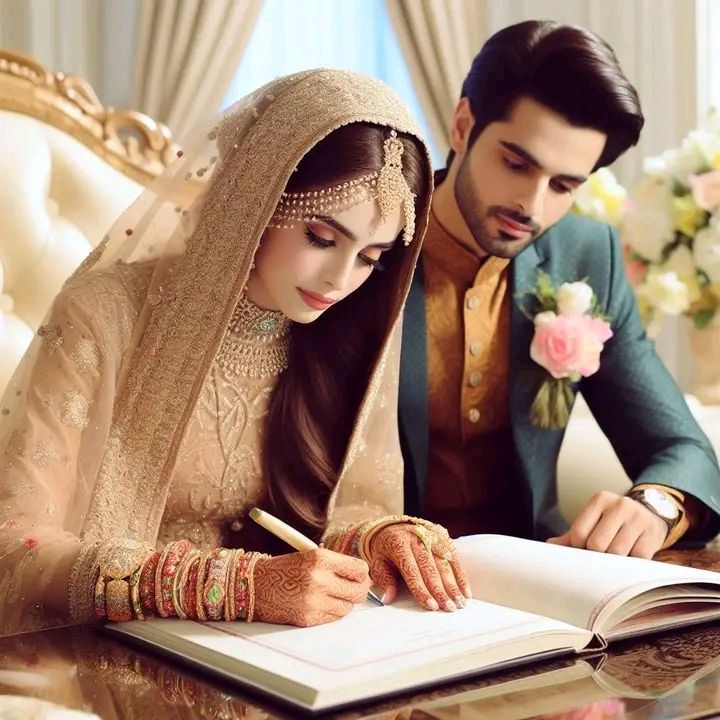
The debate between love marriage and arranged marriage continues in Bangladesh, but the reality is more complex than choosing one over the other.
Arranged marriage offers:
* Family support
* Social stability
* Cultural compatibility
Love marriage offers:
* Emotional connection
* Personal choice
* Better understanding before marriage
In modern Bangladesh, the most successful approach may be a **balanced combination of both systems**—where individuals choose their partners but families provide guidance and support.
Ultimately, the success of marriage depends not on how the couple meets but on how they build their relationship.
A happy marriage requires love, respect, trust, and commitment—regardless of whether it starts as a love marriage or an arranged marriage.
# Psychological Differences Between Love Marriage and Arranged Marriage
One important aspect often discussed in the debate between love marriage and arranged marriage is the psychological foundation of the relationship. The way a relationship begins can shape how couples communicate, solve problems, and build emotional connections.
In love marriages, couples typically develop their relationship through shared experiences before marriage. They spend time together, talk frequently, and gradually build emotional attachment. This means that by the time they marry, they already have a strong sense of familiarity with each other’s personalities, preferences, and habits.
However, this familiarity can sometimes create unrealistic expectations. During the early stages of love, people often focus on the positive qualities of their partner while overlooking potential challenges. Once married life begins—with responsibilities, financial pressures, and family involvement—some couples may struggle to adjust.
Arranged marriages often follow a different psychological path. Initially, the couple may not have a deep emotional bond, but they gradually build affection and understanding after marriage. Over time, many couples develop strong emotional connections through shared responsibilities, mutual respect, and family support.
This gradual development of love can create a stable foundation for long-term relationships.
Therefore, psychologically speaking, both systems have strengths. Love marriage begins with emotional intimacy, while arranged marriage often develops emotional intimacy gradually.
# Role of Religion and Cultural Values in Marriage
Religion and cultural traditions play a powerful role in shaping marriage practices in Bangladesh. As a predominantly Muslim country, many people follow Islamic values when choosing a life partner.
In Islam, marriage is considered a sacred bond and a social responsibility. Families often prefer arranged marriages because they believe parents can help ensure compatibility in religion, character, and family values.
Islam encourages individuals to choose partners based on qualities such as:
* Good character
* Religious values
* Responsibility
* Family reputation
Because of this, many families believe arranged marriage helps protect cultural and religious harmony.
However, Islam does not forbid love before marriage if it leads to a halal relationship. Many scholars emphasize that mutual consent between the bride and groom is essential for a valid marriage.
This means that both love marriage and arranged marriage can align with Islamic principles as long as they follow moral guidelines and family respect.
In modern Bangladesh, many couples combine religious values with personal choice. They meet through education or work environments, develop interest in each other, and later seek family approval for marriage.
This approach respects both Islamic teachings and modern relationship dynamics.
# Impact of Education and Career on Marriage Choices
Education and career opportunities have significantly changed how people approach marriage in Bangladesh.
In the past, many people married at a younger age, and families made most of the decisions. Today, however, many young men and women focus on completing their education and building careers before marriage.
This shift has several effects:
First, educated individuals often prefer to choose partners who share similar educational backgrounds and career goals. This sometimes leads to love marriages formed in universities or workplaces.
Second, professional life creates opportunities for men and women to interact more frequently. Through teamwork, academic projects, or office collaboration, people get to know each other better.
These interactions can lead to romantic relationships that eventually result in marriage.
Third, educated individuals tend to prioritize compatibility and mutual respect in relationships. They may seek partners who understand their ambitions and support their professional growth.
Because of these factors, love marriages are becoming more common among educated professionals in cities like Dhaka, Chittagong, and Sylhet.
However, arranged marriage still remains important, especially when families use professional matchmaking services or matrimony platforms to find compatible partners.
# Role of Technology in Modern Matchmaking
Technology has transformed almost every aspect of modern life, including how people find marriage partners.
In the past, families relied on relatives, community members, or traditional matchmakers to arrange marriages. Today, digital platforms have made the matchmaking process faster and more efficient.
Online matrimony platforms allow individuals and families to search for potential partners based on detailed criteria such as:
* Education
* Profession
* Location
* Religious values
* Family background
This digital approach helps people find matches that align with their preferences while maintaining family involvement.
Another advantage of online matchmaking is transparency. Verified profiles, identity checks, and background verification help reduce the risk of fraud or misinformation.
In Bangladesh, professional marriage media services have become increasingly popular because they combine traditional values with modern technology.
Platforms like KabinBD provide structured matchmaking services that ensure authenticity, privacy, and compatibility.
Such services help individuals avoid the difficulties often associated with both love marriage and traditional arranged marriage by offering a balanced and professional solution.
# Family Expectations and Their Influence on Marriage
Family expectations play a powerful role in marriage decisions in Bangladesh.
Parents often feel responsible for ensuring their children marry someone who will contribute positively to the family and maintain social harmony.
Because of this responsibility, families may consider several factors when selecting a partner:
* Family reputation
* Financial stability
* Cultural compatibility
* Religious commitment
* Social standing
These considerations are meant to protect the long-term stability of the marriage.
However, sometimes family expectations may conflict with individual preferences. For example, a person may fall in love with someone from a different social or cultural background.
When this happens, couples often face a difficult decision: follow their hearts or respect family wishes.
In many cases, open communication between families and couples can help resolve these conflicts.
Modern Bangladeshi families are increasingly willing to listen to their children’s opinions about marriage. This shift is helping bridge the gap between traditional arranged marriages and modern love marriages.
# The Importance of Compatibility in Marriage
Regardless of whether a marriage is arranged or based on love, compatibility remains the most important factor in long-term happiness.
Compatibility includes many dimensions, such as:
Emotional compatibility refers to how well partners understand and support each other’s feelings.
Intellectual compatibility involves shared interests, communication style, and similar thinking patterns.
Lifestyle compatibility includes habits, priorities, and daily routines.
Financial compatibility relates to attitudes toward money, savings, and spending.
When couples share similar values and goals in these areas, they are more likely to build a stable and fulfilling relationship.
This is why professional matchmaking services focus on compatibility rather than simply introducing random matches.
By carefully evaluating personality traits, family values, and life goals, matchmaking platforms help increase the chances of successful marriages.
# Changing Attitudes of the Younger Generation
The younger generation in Bangladesh is gradually redefining traditional views on marriage.
Many young people today believe that marriage should be based on mutual understanding, emotional connection, and shared goals.
They want to build relationships where both partners have equal voices in decision-making.
At the same time, most young people still respect the importance of family approval. Instead of rejecting tradition completely, they often seek a balanced approach.
This is why the concept of “love-arranged marriage” has become increasingly popular.
In this model, individuals choose their partners but involve their families in the final decision. This approach helps maintain cultural harmony while respecting personal freedom.
As society continues to evolve, this hybrid model may become the most common form of marriage in Bangladesh
The question of whether love marriage or arranged marriage works better in Bangladesh does not have a simple answer.
Both systems have strengths and challenges, and each couple’s situation is unique.
Love marriage offers emotional connection and personal choice, while arranged marriage provides family support and cultural compatibility.
In today’s modern society, the most successful marriages often combine elements of both approaches.
When couples communicate openly, respect each other’s values, and involve their families in positive ways, they can build strong and lasting relationships.
Ultimately, the success of marriage depends not on how the relationship begins but on how partners nurture their bond over time.
Love, trust, patience, and commitment remain the true foundations of a happy marriage
# Communication: The Key to a Successful Marriage
Regardless of whether a marriage begins through love or arrangement, communication plays a vital role in maintaining a healthy and happy relationship. Many marriage experts believe that poor communication is one of the main reasons couples face conflicts after marriage.
In love marriages, couples may already have strong communication before marriage. They are usually comfortable sharing their feelings, discussing problems, and expressing their opinions. However, after marriage, new responsibilities such as financial management, family expectations, and daily routines may create challenges that require even deeper communication.
On the other hand, arranged marriages often start with limited interaction between the couple. Because they may not know each other very well initially, communication becomes essential for building trust and understanding. Couples need to take time to talk about their expectations, goals, and personal values.
Open communication allows partners to understand each other’s perspectives and solve problems together. It also helps avoid misunderstandings that can create tension in the relationship.
Healthy communication in marriage includes:
* Listening carefully to each other
* Expressing feelings honestly and respectfully
* Supporting each other during difficult times
* Being willing to compromise when necessary
Couples who communicate openly are more likely to develop strong emotional connections and long-lasting relationships.
In Bangladesh, where family involvement is often strong, communication between spouses becomes even more important. Partners need to support each other and work as a team while balancing family responsibilities.
Ultimately, whether a marriage begins through love or arrangement, the ability to communicate effectively can determine its success. When couples learn to respect, listen, and understand each other, they create a strong foundation for a happy and fulfilling married life.
# Love Marriage vs Arranged Marriage: Which Works Better in Bangladesh?
Marriage is one of the most important decisions in a person’s life. In Bangladesh, marriage is not just a union between two individuals—it is also a connection between two families, cultures, and social values. Traditionally, most marriages in Bangladesh have been arranged by families, but with modernization, education, and social media, love marriages are becoming more common.
This growing shift has sparked an important debate: **Which works better in Bangladesh—love marriage or arranged marriage?**
Both systems have their advantages and challenges. Some couples believe love marriage leads to stronger emotional connections, while others believe arranged marriage provides stability and family support. In reality, the success of marriage depends on many factors including compatibility, communication, respect, and shared values.
In this article, we will explore the differences between love marriage and arranged marriage in Bangladesh, analyze their benefits and challenges, and understand which system works better in the Bangladeshi social context.
# Marriage Culture in Bangladesh
Bangladesh is a culturally traditional society where marriage plays a central role in social life. Family values, religion, and community expectations strongly influence how people choose their life partners.
Historically, arranged marriage has been the dominant system in Bangladesh. Families usually select potential partners based on factors such as:
* Family background
* Religion
* Social status
* Education
* Financial stability
Research suggests that **a large majority of marriages in Bangladesh are arranged**, with one study finding that about **83% of married women had arranged marriages**.
However, social changes are gradually transforming marriage patterns. Younger generations—especially in cities—are more open to choosing their own partners. Love marriages and “love-arranged marriages” (where couples choose each other but families later approve) are increasing.
Despite these changes, Bangladesh remains a conservative society where family approval still plays a significant role in marriage decisions. ([Wikipedia][2])
# What is Love Marriage?
Love marriage is when two individuals choose each other as life partners based on mutual feelings, attraction, and emotional connection. In this system, the decision to marry is primarily made by the couple themselves rather than their families.
Love marriages usually develop through:
* Friendship
* University or workplace relationships
* Social media connections
* Personal interactions
In many cases, couples fall in love first and later convince their families to accept the relationship.
In Bangladesh, love marriage is becoming more common among:
* Urban youth
* Educated professionals
* People exposed to global culture
* Individuals who prioritize personal choice
However, love marriages may face social resistance, especially in conservative families.
# What is Arranged Marriage?
Arranged marriage is a traditional system where families play the main role in selecting a suitable partner for their children.
In this system, parents or relatives search for potential matches based on:
* Family compatibility
* Religion
* Education
* Financial stability
* Social reputation
After families introduce the two individuals, they meet and decide whether they want to proceed with the marriage.
In modern Bangladesh, arranged marriages have evolved significantly. Instead of forcing couples into marriage, many families now encourage communication between potential partners before the final decision. ([Gulshan Media][3])
Today’s arranged marriage often combines **family guidance with personal choice**, making it a balanced approach.
# Advantages of Love Marriage
# 1. Emotional Connection
One of the biggest advantages of love marriage is emotional intimacy. Couples usually know each other well before marriage and develop strong feelings.
This emotional bond can help couples:
* Understand each other better
* Communicate openly
* Build deeper trust
Because the relationship begins with love, many couples feel more comfortable expressing their thoughts and emotions.
# 2. Freedom of Choice
Love marriage allows individuals to choose their life partner based on their own preferences.
This means people can select partners based on:
* Personality compatibility
* Shared interests
* Emotional connection
* Lifestyle preferences
This freedom can lead to greater personal satisfaction in marriage.
# 3. Better Understanding Before Marriage
In love marriages, couples usually spend time together before marriage. This helps them understand each other’s:
* Habits
* Values
* Temperament
* Life goals
Such understanding can reduce surprises after marriage.
# 4. Modern MindsetLove marriages are often associated with modern thinking and individual independence.
Many young people believe that choosing their own partner reflects:
* Personal maturity
* Emotional awareness
* Responsibility for life decisions
# Challenges of Love Marriage in Bangladesh
Although love marriage has benefits, it also faces several challenges in Bangladesh.
# 1. Family Opposition
One of the biggest challenges is lack of family approval.
Parents may oppose love marriages because they worry about:
* Family reputation
* Religious compatibility
* Social status
* Cultural differences
This can create emotional pressure for couples. ([Settle Marriage][4])
# 2. Social Pressure
Bangladeshi society often values tradition. Couples who choose love marriage may face criticism from relatives or neighbors.
This social pressure can cause stress and conflict.
Love Marriage vs Arranged Marriage: Which Works Better in Bangladesh? Better 2026
# 3. Financial Challenges
Many love marriages occur between young couples who are still building their careers.
Financial instability can create stress in the early years of marriage.
# 4. Unrealistic Expectations
Sometimes couples in love marriages have high expectations from each other.
When reality does not match those expectations, conflicts may arise.
# Advantages of Arranged Marriage
Arranged marriage remains popular in Bangladesh for many reasons.
# 1. Strong Family Support
One major benefit of arranged marriage is family involvement.
Families provide:
Emotional support
* Financial assistance
* Guidance in difficult times
This support system can strengthen the marriage.
# 2. Better Compatibility
Parents often consider many factors when choosing a partner.
These include:
* Education
* Religion
* Cultural background
* Family values
Such factors can help create long-term compatibility.
# 3. Social Acceptance
Arranged marriages are widely accepted in Bangladeshi society.
Couples usually receive strong support from relatives and community members.
This acceptance reduces social pressure.
# 4. Stability
Arranged marriages often focus on long-term stability rather than short-term emotions.
Many couples develop love gradually after marriage.
Respect and understanding grow over time.
# Challenges of Arranged Marriage
Although arranged marriages have advantages, they also have some drawbacks.
# 1. Limited Personal Choice
In some cases, individuals may feel they have limited control over choosing their life partner.
This can create dissatisfaction if the couple is not fully compatible.
# 2. Less Emotional Connection Initially
Unlike love marriages, arranged marriages may start without deep emotional bonding.
Couples need time to develop understanding and affect
# 3. Pressure from Family Expectations
Family involvement can sometimes create pressure.
Couples may feel obligated to satisfy family expectations instead of focusing on their own happiness.
# The Rise of Modern “Love-Arranged Marriage”
Today, Bangladesh is witnessing a new trend known as **love-arranged marriage**.
In this system:
* Couples meet and develop feelings
* Families later approve and arrange the marriage
This approach combines the best aspects of both systems.
Research shows that many marriages in Bangladesh now involve **some level of parental involvement even when the couple initially chooses each other**. ([PMC][5])
This hybrid model is becoming increasingly popular.
# Urban vs Rural Marriage Trends
Marriage patterns differ between cities and villages in Bangladesh.
# Urban Areas
In cities like Dhaka:
* Love marriages are more common
* Education and career influence partner choice
* Couples have more independence
# Rural Areas
In rural areas:
* Arranged marriages dominate
* Families play a stronger role in decisions
* Traditional values remain strong
Studies suggest that
**over 80% of rural marriages are arrang
**, while urban areas have more love or mixed marriages. ([Settle Marriage][6])
# Which Marriage Type Is More Successful?
The success of marriage cannot be measured simply by whether it is love or arranged.
Many arranged marriages are successful, and many love marriages are also happy.
Success depends on factors such as:
* Communication
* Respect
* Shared values
* Emotional maturity
* Financial stability
Some studies show Bangladesh has a relatively low divorce rate, suggesting that many marriages—especially arranged ones—remain stable over time. ([Settle Marriage][6])
However, stability does not always mean happiness. Emotional compatibility is equally important.
—
# Role of Matrimony Platforms in Modern Bangladesh
With technology and digital services, the marriage process is changing rapidly.
Online matrimony platforms and marriage media services help people find compatible partners while maintaining family involvement.
These platforms offer benefits such as:
* Verified profiles
* Secure communication
* Professional matchmaking
* Privacy protection
For example, services like **KabinBD** help individuals and families connect with suitable partners while ensuring authenticity and compatibility.
Such platforms combine the strengths of traditional matchmaking with modern technology.
# Key Factors That Make Any Marriage Successful
Regardless of whether it is love marriage or arranged marriage, certain factors determine success.
## Communication
Open and honest communication is essential for resolving conflicts and understanding each other.
## Mutual Respect
Respecting each other’s opinions, dreams, and individuality builds a healthy relationship.
# Shared Values
Couples who share similar values and goals tend to have stronger relationships.
## Emotional SuppPartners should support each other during both good and difficult time Marriage requires patience, compromise, and continuous effort.
The debate between love marriage and arranged marriage continues in Bangladesh, but the reality is more complex than choosing one over the other.
Arranged marriage offers:
* Family support
* Social stability
* Cultural compatibility
Love marriage offers:
* Emotional connection
* Personal choice
* Better understanding before marriage
In modern Bangladesh, the most successful approach may be a **balanced combination of both systems**—where individuals choose their partners but families provide guidance and support.
Ultimately, the success of marriage depends not on how the couple meets but on how they build their relationship.
A happy marriage requires love, respect, trust, and commitment—regardless of whether it starts as a love marriage or an arranged marriage.
# Psychological Differences Between Love Marriage and Arranged Marriage
One important aspect often discussed in the debate between love marriage and arranged marriage is the psychological foundation of the relationship. The way a relationship begins can shape how couples communicate, solve problems, and build emotional connections.
In love marriages, couples typically develop their relationship through shared experiences before marriage. They spend time together, talk frequently, and gradually build emotional attachment. This means that by the time they marry, they already have a strong sense of familiarity with each other’s personalities, preferences, and habits.
However, this familiarity can sometimes create unrealistic expectations. During the early stages of love, people often focus on the positive qualities of their partner while overlooking potential challenges. Once married life begins—with responsibilities, financial pressures, and family involvement—some couples may struggle to adjust.
arranged marriages often follow a different psychological path. Initially, the couple may not have a deep emotional bond, but they gradually build affection and understanding after marriage. Over time, many couples develop strong emotional connections through shared responsibilities, mutual respect, and family support.
This gradual development of love can create a stable foundation for long-term relationships.
Therefore, psychologically speaking, both systems have strengths. Love marriage begins with emotional intimacy, while arranged marriage often develops emotional intimacy gradually.
# Role of Religion and Cultural Values in Marriage
Religion and cultural traditions play a powerful role in shaping marriage practices in Bangladesh. As a predominantly Muslim country, many people follow Islamic values when choosing a life partner.
In Islam, marriage is considered a sacred bond and a social responsibility. Families often prefer arranged marriages because they believe parents can help ensure compatibility in religion, character, and family values.
Islam encourages individuals to choose partners based on qualities such as:
* Good character
* Religious values
* Responsibility
* Family reputation
Because of this, many families believe arranged marriage helps protect cultural and religious harmony.
However, Islam does not forbid love before marriage if it leads to a halal relationship. Many scholars emphasize that mutual consent between the bride and groom is essential for a valid marriage.
This means that both love marriage and arranged marriage can align with Islamic principles as long as they follow moral guidelines and family respect.
In modern Bangladesh, many couples combine religious values with personal choice. They meet through education or work environments, develop interest in each other, and later seek family approval for marriage.
This approach respects both Islamic teachings and modern relationship dynamics.
# Impact of Education and Career on Marriage Choices
Education and career opportunities have significantly changed how people approach marriage in Bangladesh.
In the past, many people married at a younger age, and families made most of the decisions. Today, however, many young men and women focus on completing their education and building careers before marriage.
This shift has several effects:
First, educated individuals often prefer to choose partners who share similar educational backgrounds and career goals. This sometimes leads to love marriages formed in universities or workplaces.
Second, professional life creates opportunities for men and women to interact more frequently. Through teamwork, academic projects, or office collaboration, people get to know each other better.
These interactions can lead to romantic relationships that eventually result in marriage.
Third, educated individuals tend to prioritize compatibility and mutual respect in relationships. They may seek partners who understand their ambitions and support their professional growth.
Because of these factors, love marriages are becoming more common among educated professionals in cities like Dhaka, Chittagong, and Sylhet.
However, arranged marriage still remains important, especially when families use professional matchmaking services or matrimony platforms to find compatible partners.
# Role of Technology in Modern Matchmaking
Technology has transformed almost every aspect of modern life, including how people find marriage partners.
In the past, families relied on relatives, community members, or traditional matchmakers to arrange marriages. Today, digital platforms have made the matchmaking process faster and more efficient.
Online matrimony platforms allow individuals and families to search for potential partners based on detailed criteria such as:
* Education
* Profession
* Location
* Religious values
* Family background
This digital approach helps people find matches that align with their preferences while maintaining family involvement.
Another advantage of online matchmaking is transparency. Verified profiles, identity checks, and background verification help reduce the risk of fraud or misinformation.
In Bangladesh, professional marriage media services have become increasingly popular because they combine traditional values with modern technology.
Platforms like KabinBD provide structured matchmaking services that ensure authenticity, privacy, and compatibility.
Such services help individuals avoid the difficulties often associated with both love marriage and traditional arranged marriage by offering a balanced and professional solution.
# Family Expectations and Their Influence on Marriage
Family expectations play a powerful role in marriage decisions in Bangladesh.
Parents often feel responsible for ensuring their children marry someone who will contribute positively to the family and maintain social harmony.
Because of this responsibility, families may consider several factors when selecting a partner:
* Family reputation
* Financial stability
* Cultural compatibility
* Religious commitment
* Social standing
These considerations are meant to protect the long-term stability of the marriage.
However, sometimes family expectations may conflict with individual preferences. For example, a person may fall in love with someone from a different social or cultural background.
When this happens, couples often face a difficult decision: follow their hearts or respect family wishes.
In many cases, open communication between families and couples can help resolve these conflicts.
Modern Bangladeshi families are increasingly willing to listen to their children’s opinions about marriage. This shift is helping bridge the gap between traditional arranged marriages and modern love marriages.
# The Importance of Compatibility in Marriage
Regardless of whether a marriage is arranged or based on love, compatibility remains the most important factor in long-term happiness.
Compatibility includes many dimensions, such as:
Emotional compatibility refers to how well partners understand and support each other’s feelings.
Intellectual compatibility involves shared interests, communication style, and similar thinking patterns.
Lifestyle compatibility includes habits, priorities, and daily routines.
Financial compatibility relates to attitudes toward money, savings, and spending.
When couples share similar values and goals in these areas, they are more likely to build a stable and fulfilling relationship.
This is why professional matchmaking services focus on compatibility rather than simply introducing random matches.
By carefully evaluating personality traits, family values, and life goals, matchmaking platforms help increase the chances of successful marriages.
# Changing Attitudes of the Younger Generation
The younger generation in Bangladesh is gradually redefining traditional views on marriage.
Many young people today believe that marriage should be based on mutual understanding, emotional connection, and shared goals.
They want to build relationships where both partners have equal voices in decision-making.
At the same time, most young people still respect the importance of family approval. Instead of rejecting tradition completely, they often seek a balanced approach.
This is why the concept of “love-arranged marriage” has become increasingly popular.
In this model, individuals choose their partners but involve their families in the final decision. This approach helps maintain cultural harmony while respecting personal freedom.
As society continues to evolve, this hybrid model may become the most common form of marriage in Bangladesh
The question of whether love marriage or arranged marriage works better in Bangladesh does not have a simple answer.
Both systems have strengths and challenges, and each couple’s situation is unique.
Love marriage offers emotional connection and personal choice, while arranged marriage provides family support and cultural compatibility.
In today’s modern society, the most successful marriages often combine elements of both approaches.
When couples communicate openly, respect each other’s values, and involve their families in positive ways, they can build strong and lasting relationships.
Ultimately, the success of marriage depends not on how the relationship begins but on how partners nurture their bond over time.
Love, trust, patience, and commitment remain the true foundations of a happy marriage
# Communication: The Key to a Successful Marriage
Regardless of whether a marriage begins through love or arrangement, communication plays a vital role in maintaining a healthy and happy relationship. Many marriage experts believe that poor communication is one of the main reasons couples face conflicts after marriage.
In love marriages, couples may already have strong communication before marriage. They are usually comfortable sharing their feelings, discussing problems, and expressing their opinions. However, after marriage, new responsibilities such as financial management, family expectations, and daily routines may create challenges that require even deeper communication.
On the other hand, arranged marriages often start with limited interaction between the couple. Because they may not know each other very well initially, communication becomes essential for building trust and understanding. Couples need to take time to talk about their expectations, goals, and personal values.
Open communication allows partners to understand each other’s perspectives and solve problems together. It also helps avoid misunderstandings that can create tension in the relationship.
Healthy communication in marriage includes:
* Listening carefully to each other
* Expressing feelings honestly and respectfully
* Supporting each other during difficult times
* Being willing to compromise when necessary
Couples who communicate openly are more likely to develop strong emotional connections and long-lasting relationships.
In Bangladesh, where family involvement is often strong, communication between spouses becomes even more important. Partners need to support each other and work as a team while balancing family responsibilities.
Ultimately, whether a marriage begins through love or arrangement, the ability to communicate effectively can determine its success. When couples learn to respect, listen, and understand each other, they create a strong foundation for a happy and fulfilling married life.