

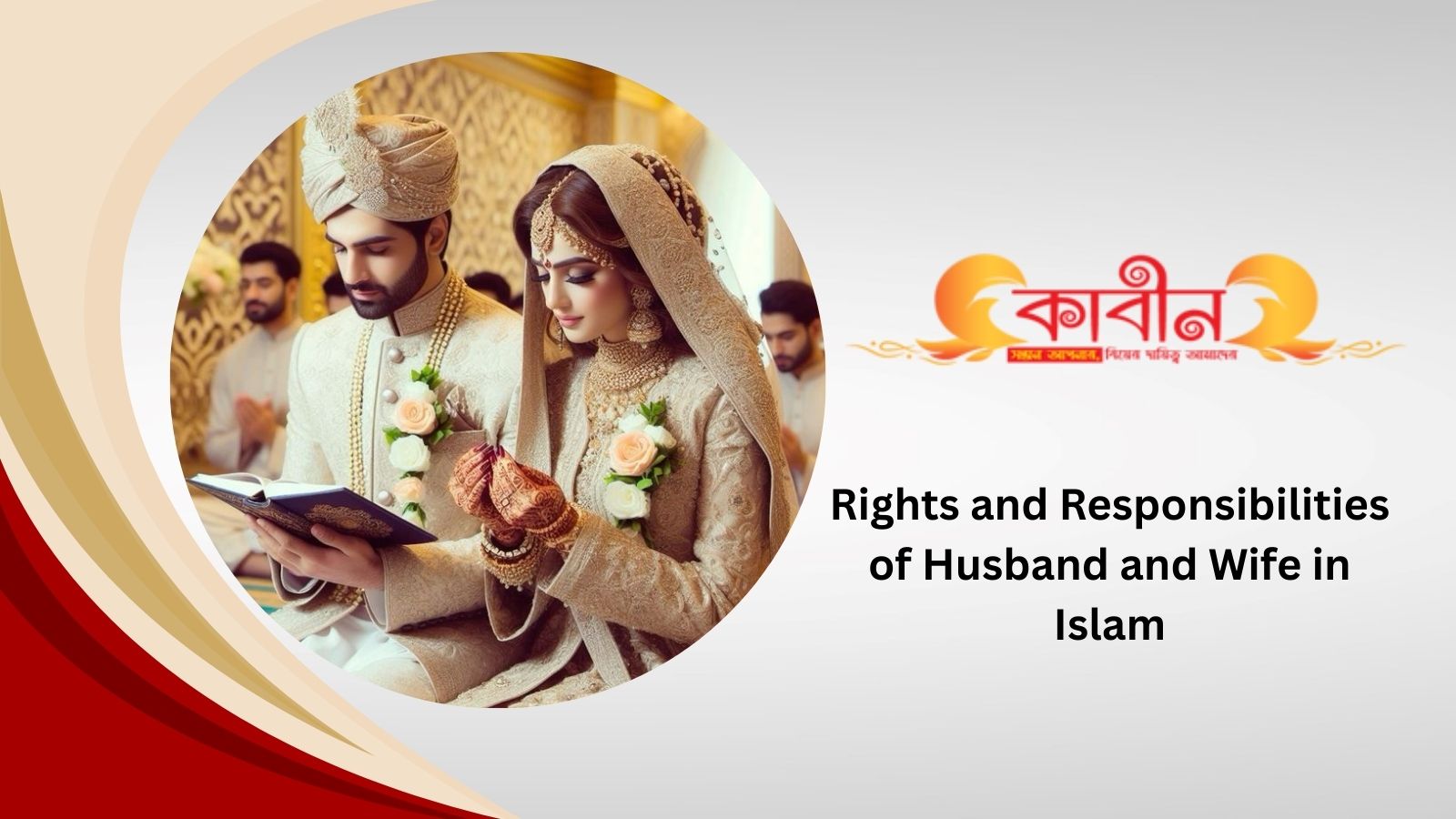
Rights and Responsibilities of Husband and Wife in Islam 2026
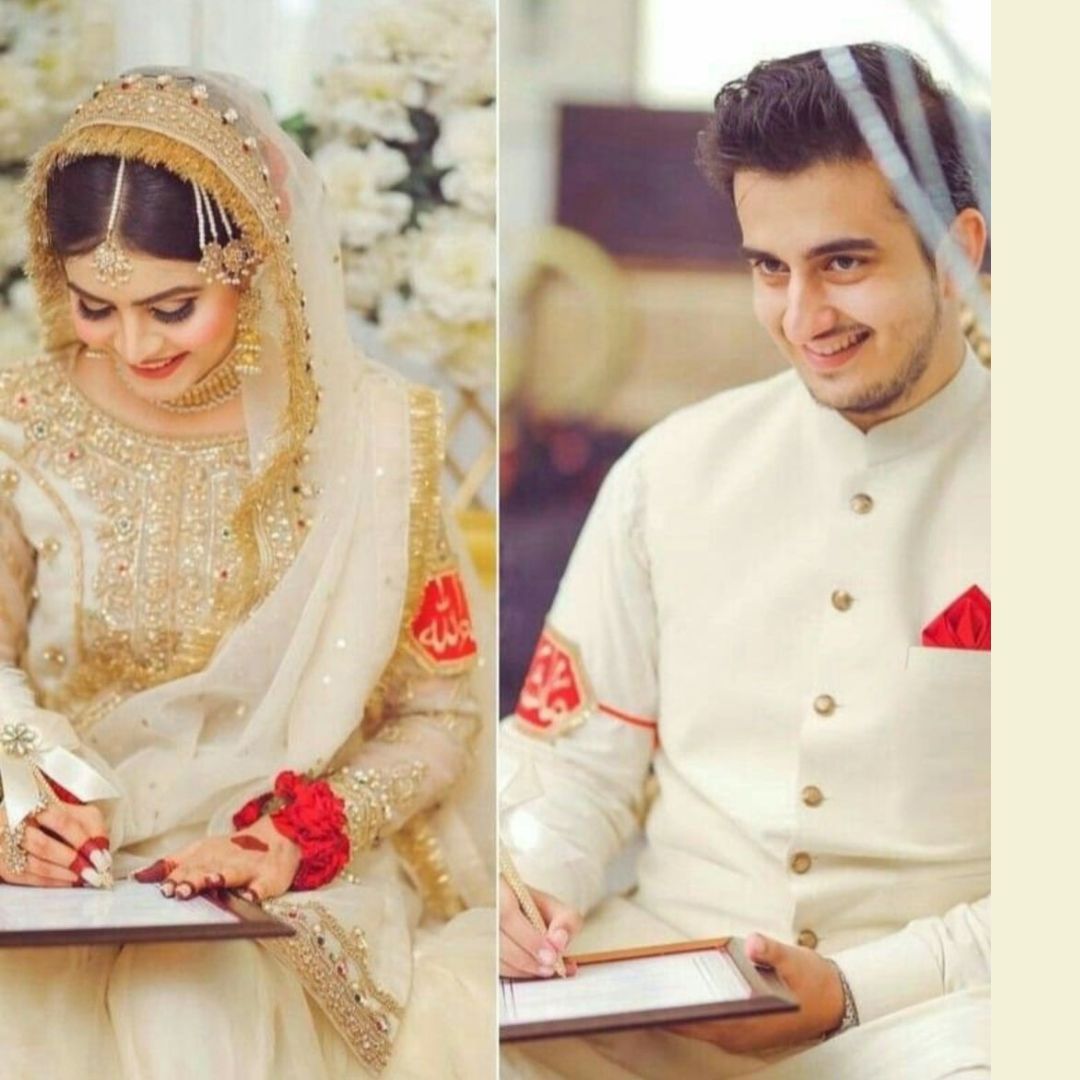
Marriage in Islam is not merely a social contract or a cultural tradition; it is a sacred bond rooted in faith, responsibility, and mutual compassion. Allah describes marriage in the Holy Qur’an as a source of tranquility, love, and mercy between spouses. This divine foundation makes the marital relationship both a blessing and a responsibility. In an Islamic marriage, both husband and wife have clearly defined rights and responsibilities that aim to establish harmony, justice, and emotional security within the family.
Understanding these rights and duties is essential for building a stable and successful marriage. When both spouses fulfill their obligations sincerely, the relationship becomes a means of attaining peace in this world and reward in the Hereafter.
The Foundation of Marriage in Islam
Allah says in the Qur’an:
“And among His signs is that He created for you from yourselves mates that you may find tranquility in them; and He placed between you affection and mercy.”
This verse highlights three important foundations of marriage:
- Sakinah (Tranquility)
- Mawaddah (Love)
- Rahmah (Mercy)
Marriage is not about dominance or control. It is about partnership, cooperation, and mutual respect. Islam recognizes the different strengths and roles of men and women but emphasizes justice and balance rather than superiority.
The Prophet Muhammad ﷺ demonstrated through his life how a husband should treat his wife—with kindness, patience, and fairness.
Rights of the Wife in Islam
Islam granted women rights in marriage more than 1400 years ago—rights that many societies only recognized recently. A wife has several fundamental rights that must be fulfilled by her husband.
Right to Mahr (Dowry)
Mahr is a mandatory gift given by the husband to the wife at the time of marriage. It is not a price for marriage but a symbol of respect and commitment. It belongs solely to the wife, and no one else has the right to claim it.
The Qur’an commands:
“And give the women their dowries graciously.”
The mahr can be money, property, gold, or anything agreed upon by both parties.
- Right to Financial Maintenance (Nafaqah)
One of the primary responsibilities of the husband is to provide for his wife financially. This includes:
- Food
- Clothing
- Housing
- Medical care
- Basic living expenses
Even if the wife is wealthy, the husband is still obligated to provide for her. Her income remains her personal property.
Islam places this financial responsibility on men to ensure stability and protection within the family.
- Right to Kind and Respectful Treatment
The Prophet ﷺ said:
“The best of you are the best to their wives.”
A husband must treat his wife with:
- Respect
- Gentle speech
- Emotional care
- Patience
Abuse—whether physical, emotional, or verbal—is strictly against Islamic teachings. Kindness in marriage is not optional; it is a religious duty.
- Right to Emotional and Physical Fulfillment
Marriage fulfills natural human needs. A husband must consider his wife’s emotional and physical well-being. Ignoring her emotional needs or neglecting intimacy without valid reasons contradicts Islamic guidance.
Islam encourages mutual satisfaction and understanding between spouses.
- Right to Fairness (In Case of Multiple Wives)
If a man chooses polygamy, Islam strictly requires justice and fairness between wives in:
- Time
- Financial support
- Living arrangements
Failure to maintain fairness is considered a grave sin.
- Right to Education and Personal Growth
Islam encourages knowledge for both men and women. A husband should not prevent his wife from seeking education or personal development as long as it aligns with Islamic principles.
Responsibilities of the Wife in Islam
Just as a wife has rights, she also has responsibilities that contribute to a balanced and harmonious marriage.
- Respect and Cooperation
A wife is encouraged to respect her husband and cooperate with him in maintaining family harmony. Respect does not mean blind obedience; it means supporting and valuing the marital partnership.
- Protecting Husband’s Honor and Property
A wife is entrusted with safeguarding:
- Her husband’s property
- His reputation
- Family secrets
Trust is the foundation of marriage. Protecting this trust strengthens the relationship.
- Managing Household Responsibilities
Traditionally, household management has been associated with the wife, though Islam does not strictly define domestic work as her legal obligation. Many scholars explain that household duties should be based on mutual understanding and cultural norms.
The Prophet ﷺ himself helped with household chores, showing that cooperation is encouraged.
- Emotional Support
A wife plays a crucial role in providing emotional stability and encouragement to her husband. Supporting him during hardships strengthens the marital bond.
Khadijah (RA), the wife of the Prophet ﷺ, is a beautiful example of emotional support and loyalty.
- Maintaining Modesty and Loyalty
Faithfulness is central to Islamic marriage. A wife must maintain modesty and loyalty, just as a husband must do the same.
Mutual Rights of Husband and Wife
Islam emphasizes that many rights in marriage are mutual.
- Mutual Love and Mercy
Both spouses must show affection, care, and mercy toward one another. Love should be expressed through:
- Kind words
- Appreciation
- Forgiveness
- Small acts of kindness
- Mutual Consultation (Shura)
Islam encourages consultation in family matters. Important decisions should not be made unilaterally. Discussing issues openly builds trust and understanding.
- Privacy and Confidentiality
Marriage creates a sacred private bond. Personal matters between husband and wife must not be disclosed publicly.
- Patience and Forgiveness
No marriage is free from conflict. Islam teaches patience and forgiveness as keys to long-term success.
The Concept of Qiwamah (Leadership)
Islam assigns men the role of “Qawwam” (maintainer or protector). This does not mean dictatorship. It refers to responsibility, accountability, and financial support.
True Islamic leadership is based on:
- Justice
- Consultation
- Compassion
- Accountability before Allah
Misconceptions About Marital Roles in Islam
Many misunderstand Islamic teachings due to cultural practices. Some common misconceptions include:
- Thinking men have unlimited authority
- Believing women have no voice
- Confusing culture with religion
Islam promotes balance, not oppression.
Building a Successful Islamic Marriage
To build a strong marriage based on Islamic principles:
- Strengthen faith together
- Pray together
- Communicate openly
- Show gratitude
- Avoid ego and pride
- Seek knowledge about marital rights
Marriage is a continuous journey of growth.
The Role of Taqwa (God-Consciousness)
The key to fulfilling rights and responsibilities is Taqwa—awareness that Allah is watching all actions.
When both husband and wife fear Allah:
- They avoid injustice
- They control anger
- They forgive mistakes
- They prioritize family harmony
The rights and responsibilities of husband and wife in Islam are perfectly balanced. Islam does not favor one gender over the other; instead, it assigns complementary roles to ensure justice and stability.
A husband must provide, protect, and treat his wife with kindness. A wife must respect, support, and safeguard her husband’s trust. Both must love, forgive, and consult each other.
When these principles are followed sincerely, marriage becomes a source of peace, spiritual growth, and success in this life and the Hereafter.
A successful Islamic marriage is not built on wealth, beauty, or status—it is built on faith, character, patience, and mutual respect.
Rights and Responsibilities of Husband and Wife in Islam 2026
No marriage is free from disagreement. Islam does not expect a husband and wife to be perfect; rather, it provides a framework for resolving conflict in a dignified and constructive way.
The Qur’an outlines a step-by-step approach when serious marital discord arises. The first step is private dialogue. Couples are encouraged to communicate openly and calmly. Many problems escalate simply because emotions override wisdom.
If the issue persists, the Qur’an advises involving trusted family mediators from both sides. This system protects the marriage from unnecessary exposure while ensuring fairness. The goal is always reconciliation—not blame.
Islam discourages:
- Public humiliation
- Spreading private issues
- Revenge-based reactions
- Immediate divorce without effort at reconciliation
The Prophet ﷺ never responded to conflict with cruelty. His example teaches patience, understanding, and wisdom in moments of tension.
The Spiritual Dimension of Marriage
Marriage in Islam is an act of worship (Ibadah). Fulfilling one’s duties toward a spouse earns reward from Allah. Even small acts—like feeding one’s wife or speaking kindly—are considered charity.
The Prophet ﷺ said that a husband placing a morsel of food in his wife’s mouth is rewarded. This demonstrates how deeply Islam values affection within marriage.
When spouses remind themselves that their behavior is accountable before Allah, their relationship becomes elevated beyond worldly expectations. Marriage becomes:
- A path to Jannah
- A protection from sin
- A means of spiritual growth
A couple who prays together and remembers Allah together strengthens not only their relationship but also their faith.
Financial Transparency and Trust
Financial disputes are one of the most common causes of marital conflict today. Islam addresses this by clearly defining financial roles while encouraging transparency.
The husband is obligated to provide maintenance. However, Islam also encourages:
- Avoiding extravagance
- Consulting each other in major financial decisions
- Budgeting responsibly
- Avoiding debt without necessity
A wife’s wealth remains her own property. If she contributes financially to the household, it is considered charity and goodwill—not obligation.
Trust in financial matters builds long-term stability. Hidden spending, dishonesty, or financial irresponsibility weakens the foundation of marriage.
Intimacy and Emotional Balance
Islam recognizes intimacy as a natural and important part of marriage. It is not shameful; rather, it is a means of strengthening love and preventing immorality.
Both spouses have the right to physical fulfillment. However, intimacy must be based on:
- Mutual consent
- Emotional consideration
- Respect
Emotional intimacy is just as important as physical intimacy. Listening, sharing feelings, appreciating efforts, and expressing love regularly keeps the relationship alive.
A marriage without emotional connection becomes distant, even if material needs are fulfilled.
The Role of Patience (Sabr) in Marriage
Patience is repeatedly emphasized in Islamic teachings. Marriage tests character, tolerance, and humility.
There will be days of misunderstanding, financial stress, health issues, or emotional distance. In such moments, sabr becomes the shield protecting the relationship.
Patience does not mean tolerating injustice or abuse. Islam strictly forbids oppression. Rather, patience means:
- Controlling anger
- Giving space for mistakes
- Choosing forgiveness over pride
The Prophet ﷺ advised men to remember that if they dislike one characteristic of their wife, they may find many other qualities pleasing.
Similarly, wives are encouraged to focus on positive qualities rather than minor faults.
Gratitude: The Secret of Lasting Love
Gratitude (Shukr) is one of the most powerful tools in sustaining marriage.
Many relationships weaken because spouses focus on what is missing rather than what is present. Islam teaches appreciation for:
- Effort
- Sacrifice
- Provision
- Emotional support
The Prophet ﷺ warned against ingratitude between spouses. Constant criticism destroys affection, while appreciation multiplies love.
Simple words like:
- “Thank you”
- “I appreciate you”
- “May Allah reward you”
can transform the emotional atmosphere of a home.
Raising Children: A Shared Responsibility
Parenting in Islam is not solely the mother’s responsibility nor solely the father’s. It is a joint duty.
The father provides financial stability and moral leadership.
The mother nurtures, educates, and emotionally shapes the child.
However, both must cooperate in:
- Teaching Islamic values
- Instilling good manners
- Providing education
- Modeling respectful behavior
Children learn more from what they observe than what they are told. If they see love, respect, and patience between parents, they internalize those values.
A peaceful marriage creates a secure environment for children.
The Importance of Justice and Fairness
Justice (Adl) is central to Islamic teachings. A husband cannot misuse his authority. A wife cannot manipulate trust.
Oppression within marriage is a serious sin.
The Prophet ﷺ warned that ظلم (injustice) will be darkness on the Day of Judgment. This reminder ensures that spouses remain mindful of their actions.
Justice in marriage includes:
- Equal time in polygamy
- Fair distribution of resources
- Listening before judging
- Avoiding favoritism among children
When justice is upheld, peace follows.
Islam permits divorce but does not encourage it unnecessarily. It is considered a last resort when reconciliation fails.
The rights of both husband and wife continue even during separation:
- Fair treatment
- Financial responsibility during waiting period (Iddah)
- Respectful conduct
- No character assassination
Islam aims to preserve dignity even in separation. Divorce should not become a tool of revenge or emotional harm.
Balancing Culture and Religion
Many marital conflicts arise from confusing cultural traditions with Islamic teachings.
For example:
- Excessive dowry demands
- Social pressure
- Unfair treatment of daughters-in-law
- Forced marriages
These practices often contradict Islamic principles of justice and consent.
Islam requires the free consent of both bride and groom. Forced marriage is invalid in Islamic law.
Understanding authentic Islamic teachings protects couples from harmful cultural expectations.
Leadership Through Service
The Prophet ﷺ was the leader of his household, yet he mended his clothes, helped with chores, and treated his wives gently.
True leadership in Islam is based on service, not control.
A husband leads by:
- Protecting
- Providing
- Consulting
- Serving
A wife supports by:
- Advising
- Encouraging
- Managing wisely
- Maintaining loyalty
This cooperative model creates harmony rather than competition.
Modern Challenges and Islamic Guidance
Today’s marriages face unique challenges:
- Social media influence
- Unrealistic expectations
- Comparison culture
- Work-life imbalance
- Financial pressure
Islamic principles remain timeless solutions.
Limiting unnecessary exposure to social comparison, maintaining modesty online, and prioritizing family time are crucial in the digital age.
Couples must protect their relationship from external interference. Not every issue should be shared publicly.
Emotional Intelligence in Marriage
Emotional intelligence plays a major role in fulfilling marital responsibilities.
Islam encourages:
- Gentle speech
- Avoiding sarcasm
- Not raising one’s voice unnecessarily
- Understanding emotional differences
Men and women may express emotions differently. Recognizing these differences prevents misunderstanding.
The Prophet ﷺ listened attentively to his wives. He acknowledged their feelings rather than dismissing them.
This prophetic example remains a timeless guide.
Dua: Strengthening Marriage Through Prayer
One of the most powerful tools for marital success is dua (supplication).
Couples should pray for:
- Mutual love
- Protection from Shaytan
- Righteous offspring
- Patience and understanding
A marriage built upon dua invites divine blessings (barakah).
When problems arise, turning to Allah softens hearts and clears confusion.
Accountability Before Allah
Ultimately, every husband and wife will stand before Allah individually.
A husband will be questioned about:
- His provision
- His treatment
- His justice
A wife will be questioned about:
- Her trust
- Her loyalty
- Her sincerity
Remembering this accountability keeps ego under control.
Marriage is temporary in this world, but its consequences extend into the Hereafter.
The Beauty of Complementary Roles
Islam does not promote rivalry between husband and wife. Instead, it promotes complementarity.
Just as the body needs both heart and mind, a family needs both leadership and nurturing.
Differences are not weaknesses; they are strengths when aligned with mutual respect.
A successful marriage is not about equality in identical tasks but equality in dignity and value.
Final Reflection
The rights and responsibilities of husband and wife in Islam form a balanced and divinely guided system. It protects both partners from injustice while encouraging love, compassion, and accountability.
When a husband fulfills his duty of provision, kindness, and justice, he earns immense reward.
When a wife fulfills her duty of loyalty, support, and trustworthiness, she earns immense reward.
When both prioritize faith over ego, forgiveness over anger, and gratitude over complaint, their marriage becomes a source of peace and barakah.
An Islamic marriage is not simply about living together—it is about growing together, worshiping together, and striving together toward Jannah.