

What Really Matters More Than Looks When Choosing a Life Partner
A quiet, honest conversation about marriage, expectations, and the realities we don’t talk about
There’s a strange moment many people experience while searching for a life partner, though very few admit it out loud.
You’re doing everything “right”. You’re meeting proposals. You’re talking to families. You’re comparing profiles. You’re checking education, profession, background, appearance. On paper, everything seems fine.
And yet, something feels off.
Not wrong — just… empty.
It’s not dissatisfaction exactly. It’s more like confusion. A subtle fatigue that grows with every new conversation. You start wondering why the excitement you expected never really arrives, or why it fades so quickly after the first impression.
This is usually the moment when a deeper question surfaces:
“Am I looking for the right things?”
At KabinBD, working closely with individuals and families in Dhanmondi and across Dhaka, we see this moment all the time. It doesn’t happen dramatically. It happens quietly — after several “good” proposals fail to feel meaningful, after attractive matches don’t progress, after conversations that should work somehow don’t.
And almost always, the root is the same:
too much focus on how a partner looks, and too little focus on how a partner lives.
The Cultural Pressure to Choose What Looks Right
In our society, appearance has always carried weight. Not just physical beauty, but presentation — how someone appears socially, financially, culturally. Families worry about “what people will say.” Individuals worry about whether their partner will look good beside them.
This pressure isn’t superficial. It’s deeply social.
From a young age, many of us are taught — indirectly — that choosing a partner is also choosing an image. A reflection of status, success, and taste. In urban areas like Dhaka, especially among educated circles, this pressure often becomes subtler but stronger. It hides behind phrases like “presentable,” “well-spoken,” “smart,” “modern.”
Over time, these expectations quietly reshape how people choose partners. Visual cues become shortcuts. Photos feel like proof. First impressions are treated as verdicts.
But marriage isn’t lived in photographs.
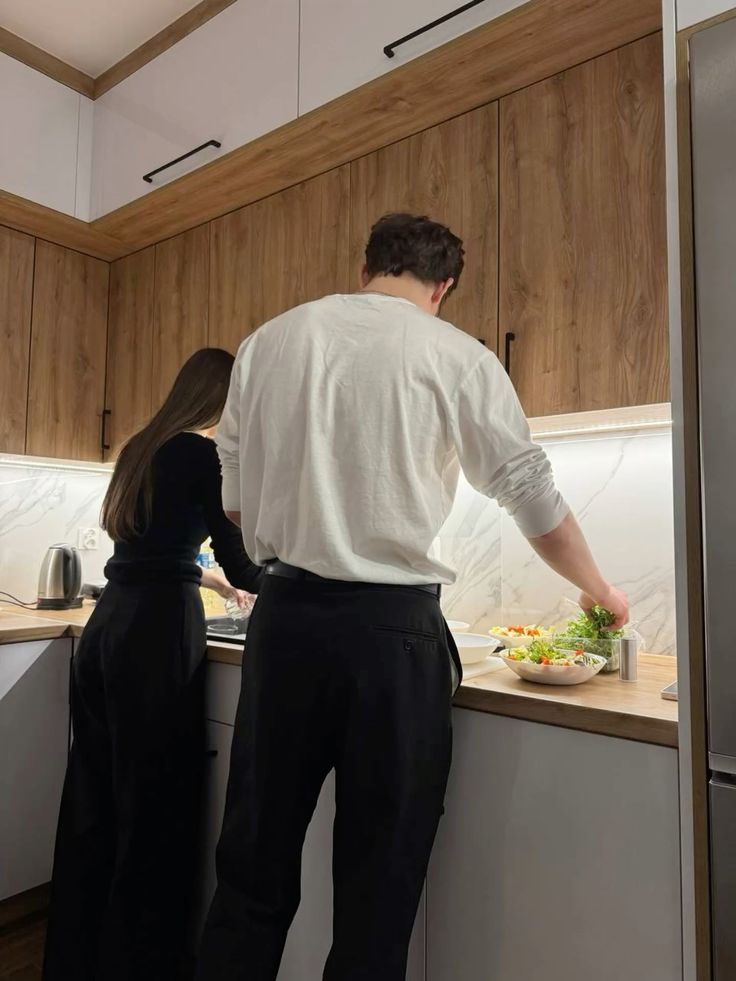
It’s lived in kitchens at midnight. In hospital corridors. In financial discussions that don’t go as planned. In disagreements that arrive uninvited. In moments where nobody is performing.
And this is where appearance slowly loses its power.
Attraction Is Not the Enemy — Confusion Is
Let’s say this out loud, clearly, without shame:
Attraction matters.
Anyone who claims they don’t care about attraction is either lying to themselves or speaking from a place of fear. We are human beings before we are “wise decision-makers.” We notice faces. We feel chemistry. We respond to energy, presence, confidence, warmth. This isn’t superficial — it’s biological, emotional, deeply wired.
So when people say, “Looks don’t matter at all,” what they often mean is:
“I was hurt when attraction wasn’t enough.”
The truth is more nuanced — and more forgiving.
Attraction is not the enemy of good marriage. Confusion is.
The confusion comes when we expect attraction to do a job it was never meant to do.
What Attraction Is Actually Designed For
Attraction exists to open a door, not to build a house.
It draws attention. It creates curiosity. It sparks interest. It invites two people to explore each other further. That’s its role — and it plays that role beautifully.
But attraction is fast. It works on instinct, imagination, projection. It fills in gaps with hope. It turns potential into promise before reality has spoken.
That’s not a flaw — that’s how attraction works.
The problem begins when people confuse this initial pull with long-term compatibility.
When attraction feels strong, it creates a quiet belief:
“If this feels this right now, it will stay right later.”
But marriage doesn’t live in “now.”
Marriage lives in repetition, routine, and reality.
Why Attraction Feels Like Truth in the Beginning
In early stages, attraction feels honest because it’s emotionally vivid. Everything feels heightened — conversations feel meaningful, flaws feel charming, differences feel manageable.
Psychologically, attraction narrows focus. It highlights what we like and softens what we don’t. This isn’t deception — it’s infatuation.
During this phase, people don’t ignore red flags.
They reinterpret them.
Silence becomes “mystery.”
Control becomes “protectiveness.”
Emotional distance becomes “independence.”
Attraction doesn’t lie — but it filters.
That filter slowly fades with time. And when it does, reality steps forward.
When Attraction Is Asked to Carry Too Much Weight
Many people enter marriage hoping attraction will:
- Sustain emotional connection
- Resolve conflict
- Smooth over value differences
- Compensate for poor communication
- Make loneliness disappear
This is where disappointment begins.
Because attraction doesn’t teach you how to argue respectfully.
It doesn’t help you feel safe expressing fear.
It doesn’t align your values.
It doesn’t make someone emotionally available.
When attraction is asked to replace these things, it fails — not because it’s weak, but because it was never meant to do that work.
The Silent Panic When Attraction Fades
Almost everyone experiences this moment — though few talk about it.
One day, you realize the intensity has softened. The butterflies are quieter. The spark feels familiar instead of electric.
And panic sets in:
“Is something wrong?”
“Did I choose the wrong person?”
“Is this what marriage becomes?”
But what’s actually happening is normal.
Attraction doesn’t disappear — it transforms.
From intensity to intimacy.
From excitement to comfort.
From novelty to depth.
If a marriage has emotional safety, mutual respect, and shared values, attraction often returns in a different form — calmer, deeper, more grounded.
If those things are missing, attraction becomes fragile and resentful.
The Difference Between Attraction and Alignment
Attraction is about how someone makes you feel.
Alignment is about how life feels with them.
You can be deeply attracted to someone who destabilizes your peace.
You can feel calm with someone who didn’t impress you immediately.
The healthiest marriages are not built by choosing between attraction and compatibility — they’re built by understanding which one leads and which one follows.
Attraction opens the conversation.
Compatibility decides the future.
Why Dismissing Attraction Is Also a Mistake
Some people, after being hurt, swing to the opposite extreme. They tell themselves:
“Looks don’t matter.”
“Attraction is childish.”
“I should be logical.”
This creates another kind of problem.
Ignoring attraction doesn’t make you wiser — it makes you disconnected from your own desires. Over time, this can lead to resentment, emotional distance, and a quiet sense of loss.
A good marriage doesn’t shame attraction.
It places it in context.
Attraction matters — but it must be accompanied by:
- Emotional maturity
- Shared values
- Mutual respect
- Communication
- Safety
Without these, attraction becomes unstable. With them, it becomes sustainable.
What Healthy Attraction Actually Looks Like
Healthy attraction doesn’t rush.
It doesn’t overwhelm.
It doesn’t silence your instincts.
It feels warm, not urgent.
Curious, not consuming.
Grounded, not blinding.
It allows you to see clearly — not perfectly, but honestly.
When attraction and compatibility walk together, marriage stops feeling like a gamble and starts feeling like a partnership.
A Thought Worth Sitting With
Attraction is not a promise.
It’s an invitation.
What you do after receiving that invitation — the questions you ask, the values you explore, the conversations you’re willing to have — determines whether that invitation turns into a life worth sharing.
So no — attraction is not the enemy.
Confusion is.
Confusion between intensity and intimacy.
Between chemistry and character.
Between feeling drawn to someone and being able to build with them.
When that confusion clears, attraction becomes what it was always meant to be — the beginning, not the burden, of love.
What Marriage Looks Like After the Noise Settles
Marriage doesn’t announce when it becomes real. There’s no ceremony for the moment when excitement settles and routine begins.
One day, you just notice it.
You’re not talking as much about dreams — you’re talking about logistics.
You’re not planning — you’re managing.
You’re not imagining — you’re responding.
This is not failure. This is adulthood.
In this phase, people discover whether they chose someone they liked, or someone they can actually live with.
Because living with someone means witnessing them when they’re tired, stressed, frustrated, uncertain, or disappointed. It means seeing how they respond when things don’t go their way. How they communicate when they’re hurt. How they treat you when you’re not at your best.
No photograph prepares you for this.
Emotional Maturity: The Quiet Skill That Saves Marriages
One of the most overlooked qualities in partner selection is emotional maturity — partly because it doesn’t advertise itself.
Emotionally mature people don’t necessarily speak the most. They don’t dominate conversations. They don’t always sound confident. But they know how to pause. How to reflect. How to respond instead of react.
In marriage, emotional immaturity shows up as defensiveness, blame, silent punishment, emotional withdrawal, or constant conflict escalation. It turns small disagreements into recurring battles.
Emotionally mature partners, on the other hand, understand that conflict is not an attack. That disagreement is not disrespect. That frustration doesn’t require dominance.
They can say:
“I’m overwhelmed.”
“I need time.”
“I didn’t understand you.”
“I was wrong.”
These sentences don’t sound romantic — but they protect marriages more effectively than passion ever could.
Emotional Safety: The Difference Between Marriage and Survival

Many people enter marriage feeling admired, desired, or chosen — but not emotionally safe.
They feel pressure to perform a role. To maintain harmony at any cost. To suppress discomfort to avoid conflict. To stay quiet to keep peace.
Over time, this creates loneliness — even within marriage.
Emotional safety is not about agreement. It’s about permission.
Permission to speak honestly without fear of ridicule.
Permission to disagree without being punished.
Permission to grow without being controlled.
Permission to fail without being humiliated.
A partner who offers emotional safety becomes a refuge. A partner who withholds it turns marriage into endurance.
This is something no amount of physical attraction can replace.
Values: The Invisible Architecture of Marriage
Values are rarely discussed directly at the beginning. People assume alignment based on education, background, or surface similarities.
But values are not about labels. They are about priorities.
What matters more — peace or pride?
Growth or comfort?
Independence or control?
Honesty or convenience?
These values shape decisions silently. Over time, they determine how couples handle money, family, conflict, ambition, boundaries, and change.
When values align, disagreements feel manageable. When they don’t, even love feels exhausting.
Many unhappy marriages aren’t loveless — they’re value-misaligned.
Character Reveals Itself Slowly — But Consistently
There’s a reason people say, “They changed after marriage.”
And there’s a reason that sentence is almost always said with confusion rather than anger.
Most of the time, people don’t change.
They unfold.
Character doesn’t announce itself early. It doesn’t walk into the room wearing a label. It appears quietly, over time, in moments that don’t feel important when they’re happening.
At the beginning, everyone is careful. Everyone is on their best behavior. People speak gently, listen patiently, present thoughtfully. This isn’t manipulation — it’s human nature. When something matters, we try.
But marriage is not a performance. It is a long exposure. And long exposure reveals details no spotlight ever could.
Why Early Impressions Are Almost Always Incomplete
In early interactions, people show intention more than habit.
Intention is who we want to be.
Habit is who we actually are.
You can intend to be patient, generous, calm, understanding — and genuinely mean it. But under pressure, habits take over. Habits formed long before the relationship began.
This is why character isn’t tested by grand gestures or public moments. It’s tested by:
- Repetition
- Stress
- Disappointment
- Power
- Familiarity
Marriage creates all of these conditions naturally, without trying.
The Small Moments Where Character Speaks Loudest
Character doesn’t reveal itself in arguments alone. It reveals itself in responses.
How someone reacts when plans fall apart.
How they behave when they don’t get their way.
How they speak when they feel misunderstood.
How they treat you when they’re tired, hungry, or stressed.
These moments don’t feel dramatic when they happen. They feel ordinary. But over time, patterns form.
A single impatient moment means nothing.
Repeated impatience becomes character.
A single apology is nice.
Consistent accountability is character.
Marriage is not shaped by exceptions. It is shaped by patterns.
Pressure Doesn’t Create Character — It Exposes It
There’s a popular belief that marriage “changes” people.
What marriage really does is remove buffers.
Before marriage, life has pauses. Distance. Separate routines. Time to cool off. Time to recover. Time to reset.
After marriage, those buffers shrink.
Stress doesn’t wait politely. Exhaustion overlaps. Conflict doesn’t get scheduled. And when pressure increases, what’s underneath becomes visible.
This is why some people seem wonderful until life becomes inconvenient — and then feel unrecognizable.
Not because they were pretending, but because they had never been under sustained pressure before.
Why Red Flags Are Often Missed — Or Rewritten
Most people don’t ignore red flags.
They reinterpret them.
Because attraction, hope, and fear are powerful forces. They soften perception. They fill in gaps. They whisper explanations.
“He’s just stressed.”
“She’s sensitive, that’s all.”
“They’ll change after marriage.”
These explanations aren’t foolish — they’re compassionate. But compassion without clarity becomes denial.
The problem isn’t seeing flaws.
It’s assuming flaws will disappear instead of deepen.
Character doesn’t erase itself under commitment. It becomes more consistent.
How Familiarity Changes Behavior
Familiarity is one of the greatest tests of character.
When someone no longer feels the need to impress, their default behavior emerges. Tone shifts. Effort changes. Reactions shorten.
This isn’t always negative — often, it’s comforting. But it also reveals entitlement, impatience, or emotional withdrawal if those traits exist.
A partner with strong character becomes kinder with familiarity, not careless. More honest, not more dismissive. More relaxed, not more disrespectful.
The direction of change matters.
The Difference Between Flaws and Character Issues
Everyone has flaws. Confusing flaws with character issues is another common mistake.
A flaw is:
- Forgetfulness
- Messiness
- Shyness
- Occasional irritability
A character issue is:
- Disrespect
- Dishonesty
- Emotional manipulation
- Refusal to take responsibility
Flaws can be lived with. Character issues grow louder over time.
Understanding this distinction early saves years of confusion later.
Character Shows Up in How Power Is Handled
Marriage introduces subtle power dynamics — financial, emotional, social, familial.
Character reveals itself in how someone handles this power.
Do they listen or dominate?
Do they share or control?
Do they protect or intimidate?
People with good character don’t need to assert power to feel secure. People with fragile character often do.
This difference becomes clearer with time — and harder to ignore.
Why “They Were So Nice Before” Feels So Real
Many people genuinely were kind, attentive, and thoughtful early on.
That doesn’t mean it was fake.
It means effort was high and pressure was low.
Character is not about effort during easy seasons.
It’s about behavior during difficult ones.
Marriage doesn’t destroy goodness — it tests sustainability.
What Strong Character Actually Feels Like
Strong character doesn’t feel dramatic.
It feels:
- Predictable in a good way
- Calm during stress
- Open during conflict
- Accountable after mistakes
You don’t feel like you’re constantly explaining yourself. You don’t feel like you’re walking on eggshells. You don’t feel confused about where you stand.
There’s clarity. Stability. Trust.
These things rarely come from charm. They come from character.
A Truth Worth Holding Onto
When choosing a life partner, don’t ask:
“How impressive are they?”
Ask:
“How consistent are they?”
Don’t focus on who they are when everything is going well.
Pay attention to who they become when things aren’t.
Because character doesn’t shout.
It repeats.
And marriage listens to repetition far more than promises.
Communication: The Skill Nobody Teaches, But Everyone Needs
Communication isn’t about being articulate. It’s about being honest — kindly.
Many marriages fail not because partners don’t talk, but because they don’t understand each other. Conversations turn into arguments. Arguments turn into avoidance. Avoidance turns into distance.
Healthy communication involves listening without planning a counterattack. Speaking without needing to win. Clarifying instead of assuming.
A partner who can communicate well doesn’t solve every problem — but they prevent problems from becoming permanent.
Money Doesn’t Break Marriages — Attitudes Do
Financial stress is real. But what breaks marriages isn’t lack of money — it’s lack of transparency, respect, and shared responsibility.
How someone thinks about money reveals deeper beliefs about control, security, and partnership.
Do they see finances as shared responsibility or personal power?
Do they hide spending?
Do they plan or panic?
These patterns don’t disappear after marriage — they intensify.
A healthy financial mindset creates calm. An unhealthy one creates constant tension, regardless of income level.
Family Compatibility: Not Optional, Just Ignored
In Bangladesh, family is never peripheral. Pretending otherwise doesn’t make a marriage modern — it makes it fragile.
Family dynamics don’t need to be identical. But they need acknowledgment, boundaries, and respect.
Ignoring family influence often leads to resentment later. Thoughtful navigation leads to stability.
Wise partner selection includes family reality — not fantasy.
Why Looks Still Matter — But Less Than You Think
Attraction matters. Denying it doesn’t help.
But attraction should be a doorway, not a foundation.
When people prioritize looks above everything else, they often feel disappointed later — not because their partner became unattractive, but because nothing deeper was built.
Looks fade into normalcy. What remains is behavior, attitude, and emotional presence.
Choosing the Person Who Grows With You

The best life partner isn’t someone who impresses others.
It’s someone who:
- Grows with you instead of competing
- Supports change instead of fearing it
- Builds partnership instead of dominance
- Chooses communication over control
This kind of connection isn’t dramatic. It’s steady. Quiet. Deep.
And it lasts.
A Final, Honest Thought
Years from now, you won’t remember how impressive the first meeting was.
You’ll remember how conflicts were handled.
How respected you felt.
How safe it was to be yourself.
How supported you were when life became ordinary.
That is what truly matters more than looks.
And that is what makes a marriage worth choosing — and living.